
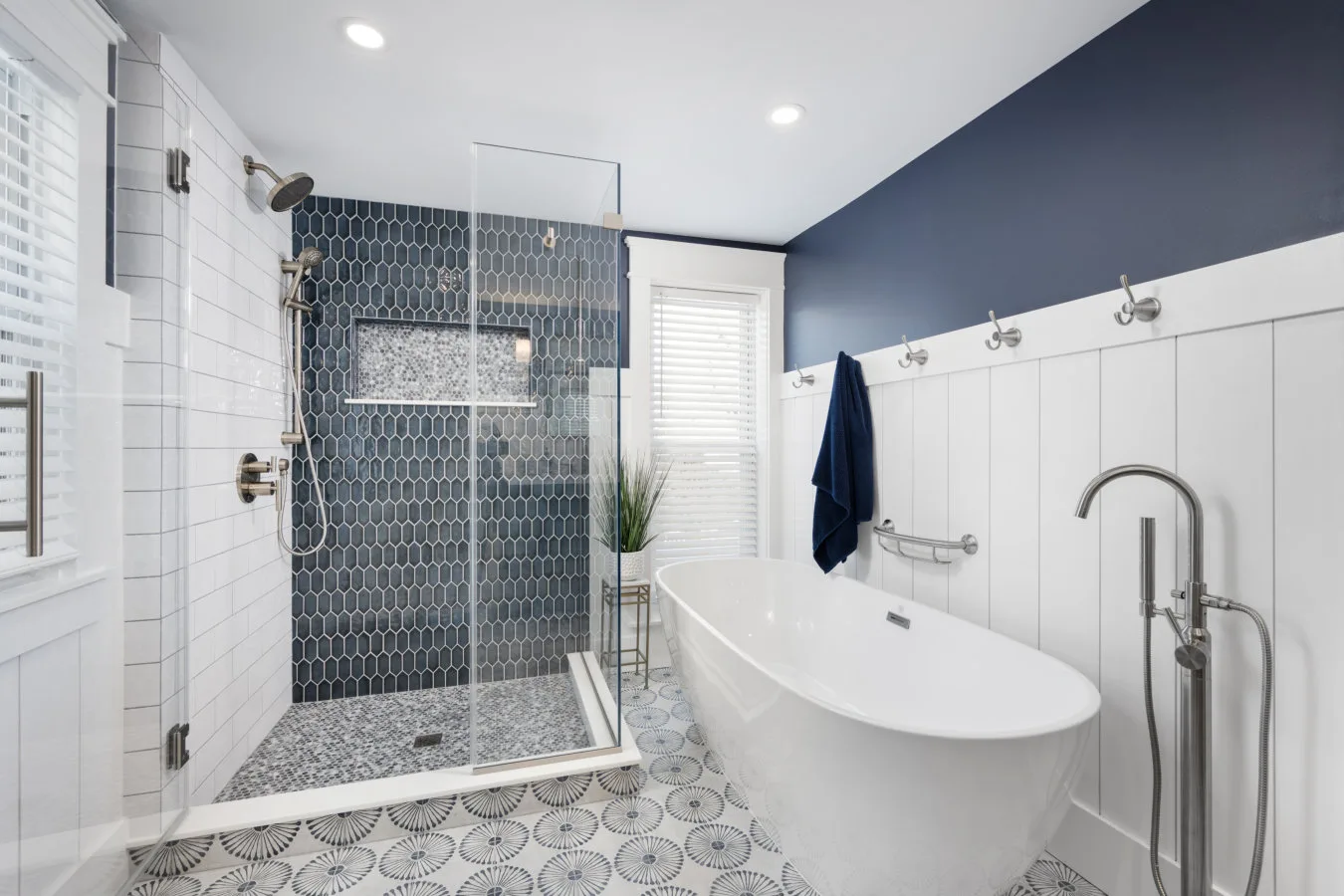
Tile vs LVP Bathroom Floors: Which Option Is Right for You?
Choosing between tile and Luxury Vinyl Plank (LVP) bathroom floors is one of the most important decisions you’ll make during your bathroom renovation. Both materials offer genuine advantages, and the right choice depends on your priorities, budget, and lifestyle. Understanding the differences between them will help you make a decision you’re happy with for years to come.
At TBrothers Renovations, we’ve guided countless homeowners through this decision. We’ve seen people choose tile and love the durability, and we’ve seen others select LVP and appreciate the low maintenance and quick installation. There’s no universally “best” option—only the best option for your specific situation.
A note on pricing: The cost estimates provided reflect current market conditions. Your actual expenses will vary based on materials, installation complexity, and your bathroom’s specific needs. For accurate pricing tailored to your project, we’re happy to provide a detailed proposal.
Let’s explore what each option truly offers so you can make an informed decision.
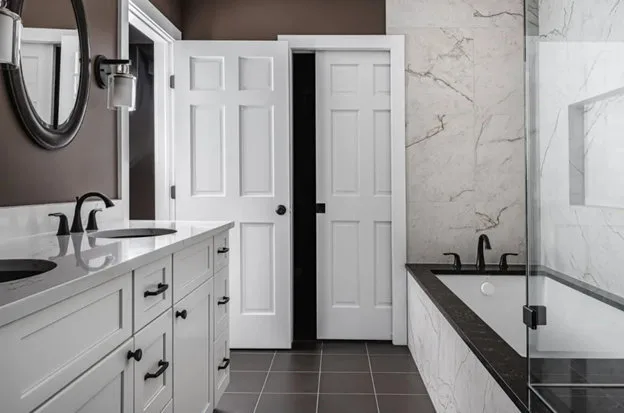
Understanding Tile Flooring
Before comparing the two options, it helps to understand what you’re actually selecting.
Tile flooring consists of individual pieces—ceramic, porcelain, or natural stone—set in thin-set mortar and joined with grout. Tile has been the bathroom standard for centuries because it genuinely excels in wet environments. The material is non-porous and water-resistant, making it naturally suited for bathroom moisture.
Types of bathroom tile vary significantly in performance:
- Ceramic tile is the most affordable and comes in countless colors and styles. However, it’s more porous than porcelain, meaning it can absorb water if not properly sealed and maintained.
- Porcelain tile is denser and less porous, making it superior in wet environments. It’s more durable, resists staining better, and handles temperature fluctuations more effectively than ceramic.
- Natural stone tile—including granite, marble, and slate—offers distinctive, authentic beauty but requires regular sealing, is softer and more susceptible to damage, and carries a significantly higher price point.
Understanding LVP Flooring
Luxury vinyl plank (LVP) represents a modern alternative that’s gained substantial popularity in bathrooms. LVP consists of multiple engineered layers, including a protective wear layer, vinyl core, and backing that work together to create a durable, waterproof product.
LVP is completely waterproof, won’t be damaged by standing water, and provides excellent underfoot comfort with slight cushioning. It’s considerably less expensive than quality tile, installs quickly without mortar or grout, and comes in designs that convincingly mimic natural wood, stone, or tile.
However, LVP does have limitations. It’s not suitable for heated floors due to heat sensitivity, sharp objects can cause permanent damage that can’t be repaired, some products may off-gas chemicals, and environmental sustainability depends on the brand and manufacturing process.
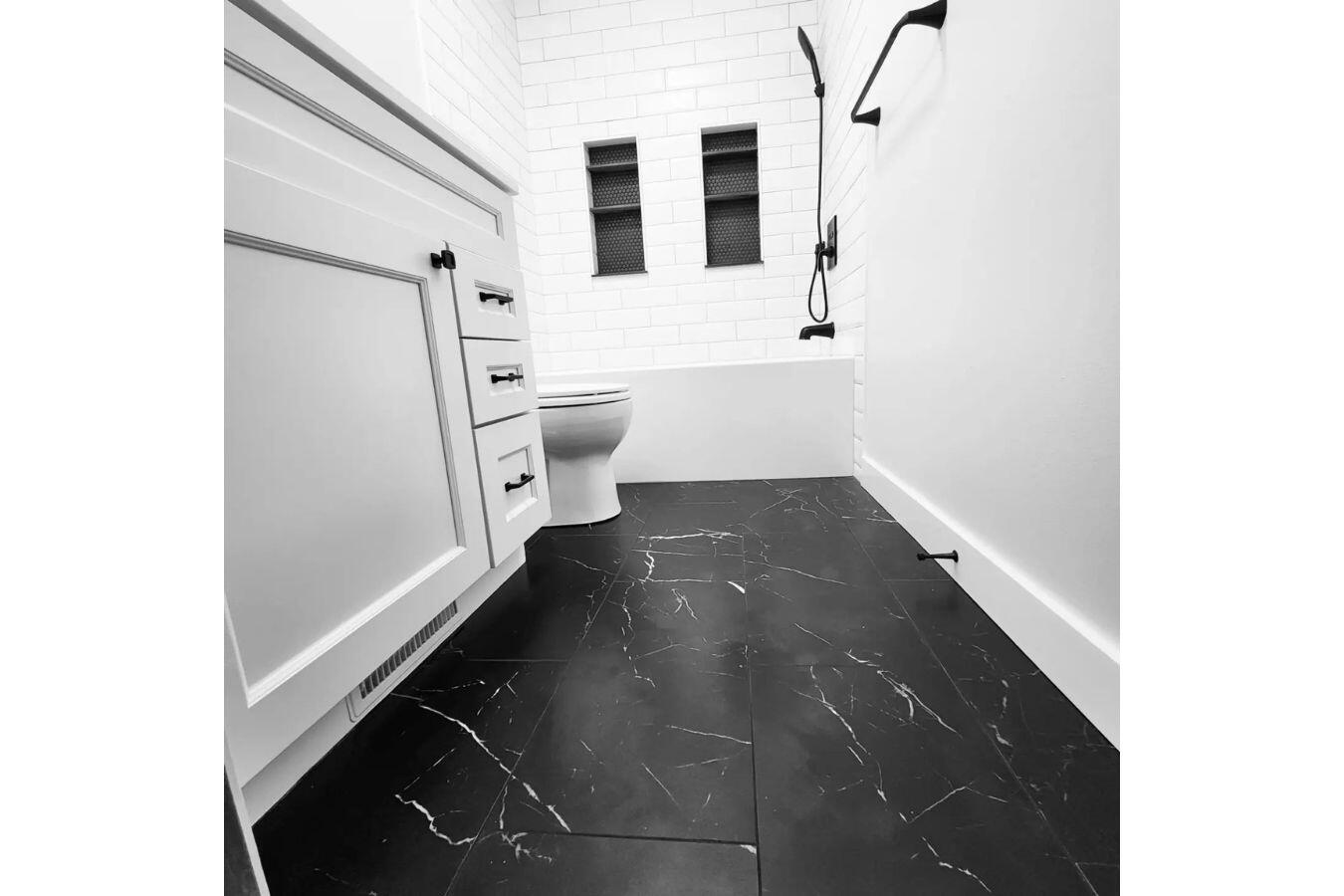
Durability: Long-Term Performance
When evaluating flooring options, durability is a critical consideration.
Tile durability is exceptional.
Quality porcelain tile is virtually indestructible during normal bathroom use. It won’t scratch, stain, or absorb water when properly installed with quality grout and sealing. Tile maintains its appearance for 25-30+ years with minimal degradation.
The vulnerable points are the grout joints. Over time, grout can crack, discolor, or deteriorate if not properly sealed and maintained.
Individual tiles can crack if the substrate shifts (particularly relevant in older homes) or if heavy objects are dropped directly on them.
Water that penetrates grout or reaches the substrate can freeze in cold seasons, expand, and potentially crack tiles or damage substrate. Proper installation with quality waterproofing prevents this issue.
LVP durability is solid for normal bathroom use.
Quality LVP won’t be damaged by water or humidity, and the wear layer resists scratching and staining. The material maintains its appearance well under typical conditions.
LVP does have durability limitations. Sharp object damage is permanent—punctures or deep scratches cannot be repaired and require plank replacement.
The material can dent under heavy weight if the subfloor isn’t perfectly rigid.
While LVP is waterproof, water trapped underneath can cause mold growth if ventilation is inadequate.
Most LVP lasts 10-20 years before replacement becomes practical due to wear, while quality tile lasts 25-30+ years. This longevity difference is significant when considering long-term value.
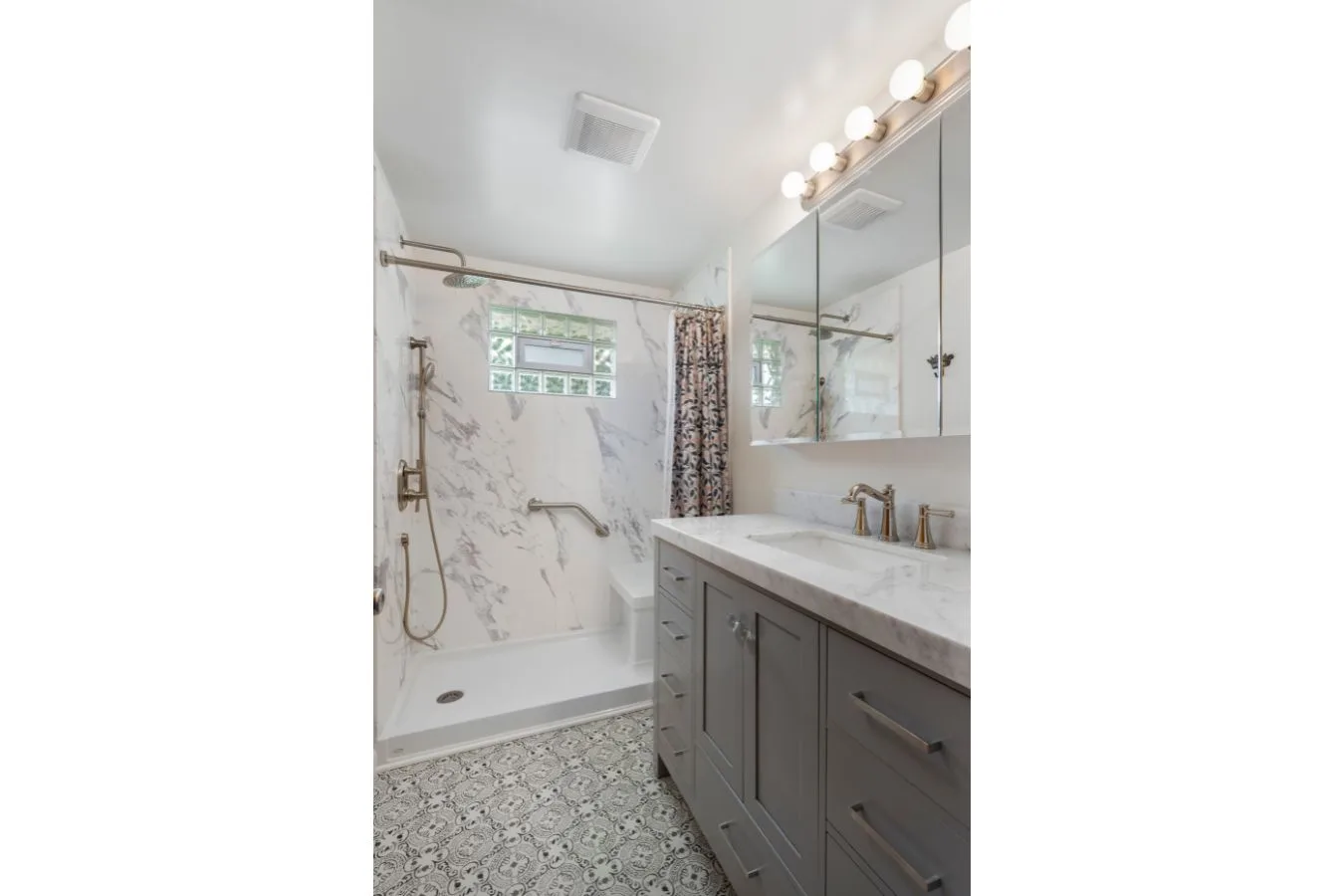
Cost Analysis
Cost is often a primary consideration in flooring selection.
Material costs vary by quality level.
Budget ceramic tile ranges from $2-$4 per square foot. Mid-range porcelain tile costs $4-$8 per square foot. Premium tile runs $8-$20+ per square foot. Natural stone exceeds these prices substantially.
Quality LVP material costs $3-$8 per square foot, placing it in the mid-range of tile pricing.
Installation costs reveal significant differences.
Tile installation is labor-intensive, involving substrate preparation, layout, cutting, setting, grouting, and sealing. Professional tile installation typically costs $8-$15 per square foot. For a 100-square-foot bathroom, this means $800-$1,500 in labor.
LVP installation is considerably faster. Professional installation typically runs $4-$8 per square foot. The same 100-square-foot bathroom could cost $400-$800 for LVP labor.
Example installed costs for a typical 100-square-foot bathroom:
- Tile: $1,600-$3,000
- LVP: $700-$1,600
LVP offers clear initial savings. However, tile typically lasts 25-30 years while LVP lasts 10-20 years. Over a 30-year period, you might replace LVP twice but only replace tile once, potentially making tile more economical long-term.
Waterproofing investment is necessary for both options. This is a constant investment in either scenario.
Maintenance Requirements
Maintenance differences significantly affect your experience living with your choice.
Tile maintenance is straightforward for the tile itself.
Regular sweeping and mopping with pH-neutral cleaner keeps it clean. However, grout requires more attention. Grout should be sealed annually or every couple of years to prevent staining and deterioration.
Mold and mildew can develop in damp grout lines if bathroom ventilation is inadequate. A properly functioning exhaust fan running during and after showers prevents this issue.
Cracked or deteriorated grout requires professional regrouting to prevent water penetration. While this isn’t overly expensive, it indicates your flooring needs attention.
LVP maintenance is minimal.
Regular sweeping and mopping with an LVP-specific cleaner is sufficient. No sealing is required, and there’s no grout to maintain.
Water that pools on LVP should be dried promptly. While LVP is waterproof, standing water can eventually seep under edges and cause mold growth below the surface.
LVP cannot be repaired if damaged. Punctures or deep scratches require replacement of affected planks, which is relatively straightforward but more disruptive than regrouting a few tiles.
For homeowners prioritizing low maintenance, LVP is the clearer choice.
Aesthetic Considerations
Since you’ll see your bathroom floor daily, aesthetics matter.
Tile offers extensive design possibilities.
Natural stone offers unique, authentic beauty. Tile typically reads as more sophisticated and polished, particularly with high-quality porcelain or natural stone.
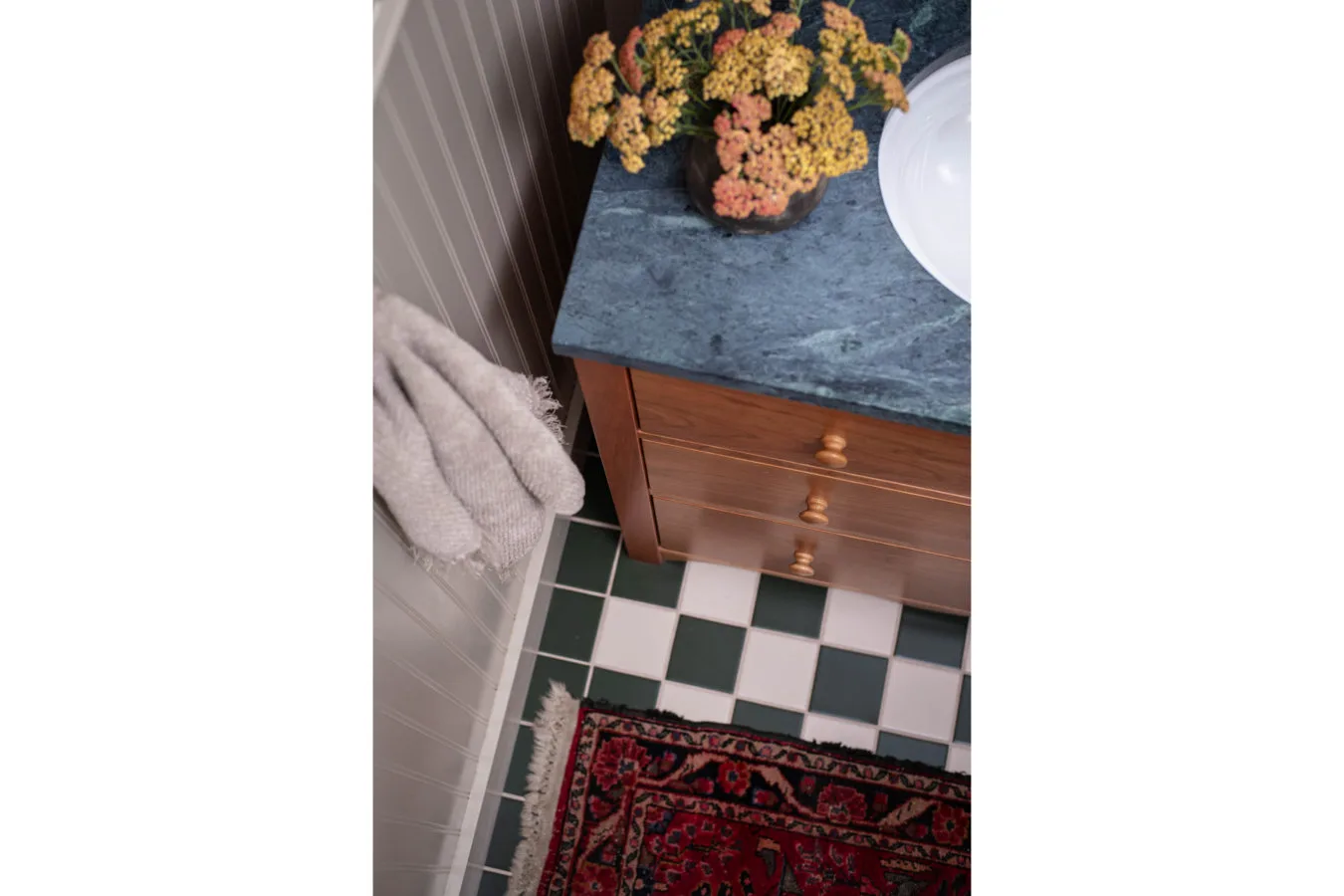
Small format tiles like 2×2-inch mosaics create intricate patterns. Large format 12×24-inch tiles create modern, minimalist aesthetics.
Grout color dramatically affects appearance. Light grout shows dirt but creates a spacious feeling. Dark grout hides dirt but can feel heavier.
Modern LVP designs are remarkably realistic.
Quality LVP is difficult to distinguish from authentic materials at first glance.
LVP offers a clean, continuous appearance without grout lines. For some aesthetic preferences, this seamless look is preferable. However, some homeowners perceive LVP as less upscale than actual tile.
LVP planks create directional lines, while tile creates a more neutral appearance. These directional lines can make small bathrooms feel larger or create visual interest depending on layout.
Installation Complexity and Timeline
Installation differences affect project duration, home disruption, and overall cost.
Tile installation is complex and time-consuming.
The substrate must be perfectly level and properly waterproofed. Tiles are individually set in thin-set mortar, requiring careful spacing. Many tiles must be cut to fit edges and transitions. After setting, grout must be applied and cured. Finally, sealing is necessary.
A typical bathroom requires 3-7 days for professional tile installation. The process generates significant dust, noise, and disruption.
However, professional installation ensures proper tile placement, which determines long-term performance and durability.
LVP installation is straightforward.
The subfloor needs to be clean and reasonably smooth. LVP planks cut and fit together, locking securely. The entire process typically takes 1-2 days.
LVP creates minimal dust and disruption. The quick installation means less home disruption and faster return to normal use.
For timeline comparison, LVP offers a significant advantage.
Moisture and Temperature Considerations
Seasonal variations and moisture levels create unique considerations when selecting bathroom flooring.
Moisture and humidity are constant in bathrooms.
Without proper ventilation, moisture accumulates and creates conditions for mold and mildew growth.
Tile’s non-porous nature is advantageous in humid conditions. Tile itself won’t be damaged by moisture exposure. However, grout and substrate remain vulnerable if waterproofing fails.
LVP is waterproof and won’t be damaged by moisture exposure. However, mold can grow on surfaces below LVP if moisture becomes trapped underneath. Adequate ventilation is essential with both options.
Temperature fluctuations affect both materials.
Water that enters tile substrate can freeze in cold seasons, expand, and cause damage. Quality porcelain tile resists this better than ceramic. Proper waterproofing prevents water from penetrating the substrate.
LVP isn’t vulnerable to freeze-thaw damage because the material doesn’t allow water absorption. This is one advantage of LVP in colder climates.
Heat considerations matter if you’re considering radiant floor heating.
Tile works well with radiant heating systems. LVP can warp or be damaged by radiant heating. If heated floors are important to your plans, tile is the appropriate choice.
When to Choose Each Option
Different situations call for different flooring selections.
Choose tile when:
- You prioritize durability and long-term longevity (25-30+ year lifespan)
- You want a sophisticated, high-end appearance
- You’re willing to invest in quality waterproofing and occasional grout maintenance
- You want to minimize future replacement needs
- You’re considering radiant floor heating
- You view your bathroom renovation as a long-term home investment
Choose LVP when:
- Initial cost savings are a primary concern
- Minimal maintenance is important to you
- Quick installation with minimal disruption is preferred
- You prefer wood-look or seamless aesthetics
- Comfortable underfoot feel is a priority
- You’re budget-conscious and accept eventual replacement
- You may relocate within 10-15 years
Professional Installation Is Essential
Regardless of which option you select, professional installation is crucial to success.
For tile, professional installation ensures proper substrate preparation, quality waterproofing, correct tile placement, professional grout application, and proper sealing. Poor tile installation leads to water damage, mold growth, and premature failure.
For LVP, professional installation ensures proper subfloor preparation, correct material acclimation, precise cutting and fitting, and secure plank locking. While LVP installation is simpler than tile, professionals ensure superior long-term results.
We’re WEDI Certified, meaning we understand advanced waterproofing systems critical for both tile and LVP installations. We use metal leveling systems, proper substrate preparation, and quality materials throughout our work.
Making Your Decision
Choosing between tile and LVP isn’t about finding the objectively “best” option. It’s about selecting what fits your lifestyle, budget, and vision for your bathroom.
Tile offers lasting beauty, durability, and sophistication. LVP offers affordability, convenience, and quick installation. Both options perform well in bathrooms when installed professionally with proper waterproofing.
Ready to Move Forward?
Contact TBrothers Renovations to discuss which option makes sense for your bathroom and your situation.
During your consultation, we’ll:
- Assess your specific bathroom conditions and needs
- Discuss your aesthetic preferences and lifestyle priorities
- Provide detailed cost comparisons for both options
- Explain our waterproofing approach and quality standards
- Help you feel confident about your decision
We provide professional bathroom flooring installation designed to last, whether you choose tile or LVP.
Choose contractors who understand your options and prioritize quality—choose TBrothers Renovations.
TBrothers Renovations specializes in kitchen and bathroom renovations in Western New York, helping homeowners select and install both tile and LVP flooring. Our WEDI certification, quality materials, proper waterproofing, and professional installation ensure bathrooms that perform beautifully, regardless of which flooring option you choose.