
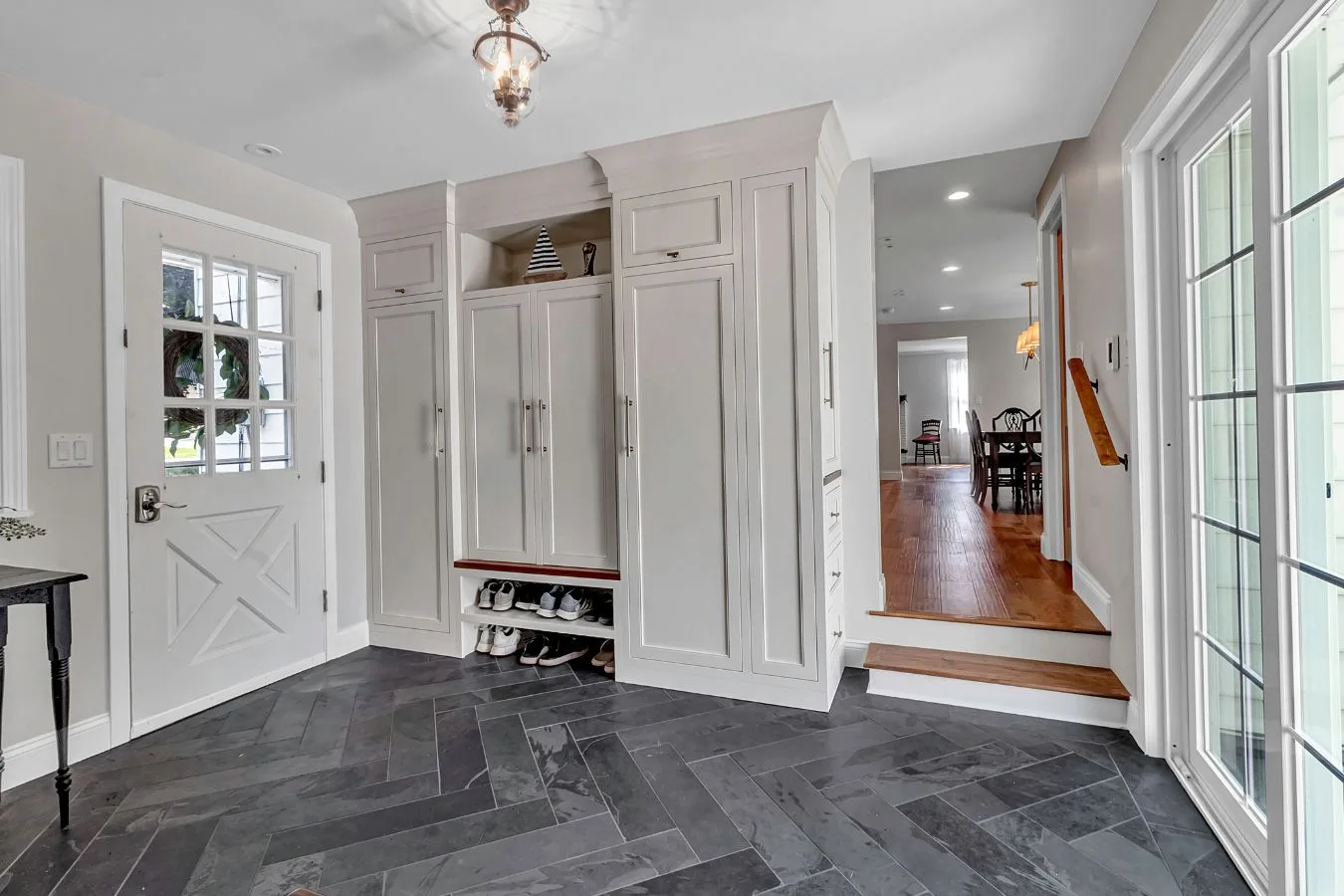
Mudroom Addition Buffalo NY: Complete Guide to Costs, Design, and Value
Planning a mudroom addition in Buffalo NY? You’re joining thousands of Western New York homeowners who’ve discovered that a dedicated mudroom is essential for surviving Buffalo winters. When snow, slush, and salt are daily realities for six months, having a space to shed boots and contain mess before it reaches your main living areas transforms how your home functions.
At TBrothers Renovations, we’ve served Buffalo and Western New York since 2015. We understand that a successful mudroom addition Buffalo NY requires thoughtful design for harsh weather, proper construction that withstands freeze-thaw cycles, and smart planning that maximizes functionality.
This guide explains why mudroom additions are valuable in Buffalo, actual costs, functional features for our climate, and how to choose the right contractor.
Mudroom Addition Buffalo NY: Why It Makes Sense
Buffalo’s climate makes mudroom additions genuinely practical investments in your home’s functionality and your family’s sanity.
Western New York receives an average of 95 inches of snow annually. Lake-effect snow from Lake Erie creates sudden, heavy snowfalls. This isn’t dry, fluffy snow—it’s wet, heavy, and mixed with slush and salt.
Every winter entry brings pounds of snow, slush, salt, and grime into your home. Without a dedicated mudroom, this mess spreads into living spaces. Carpets get soaked. Hardwood floors suffer water damage. Salt corrodes finishes.
A properly designed mudroom addition Buffalo NY contains this chaos. Snow melts on tile floors designed for moisture. Salt stays off hardwood. Wet gear hangs to dry properly. The mess stops at the mudroom.
The Gear Storage Challenge
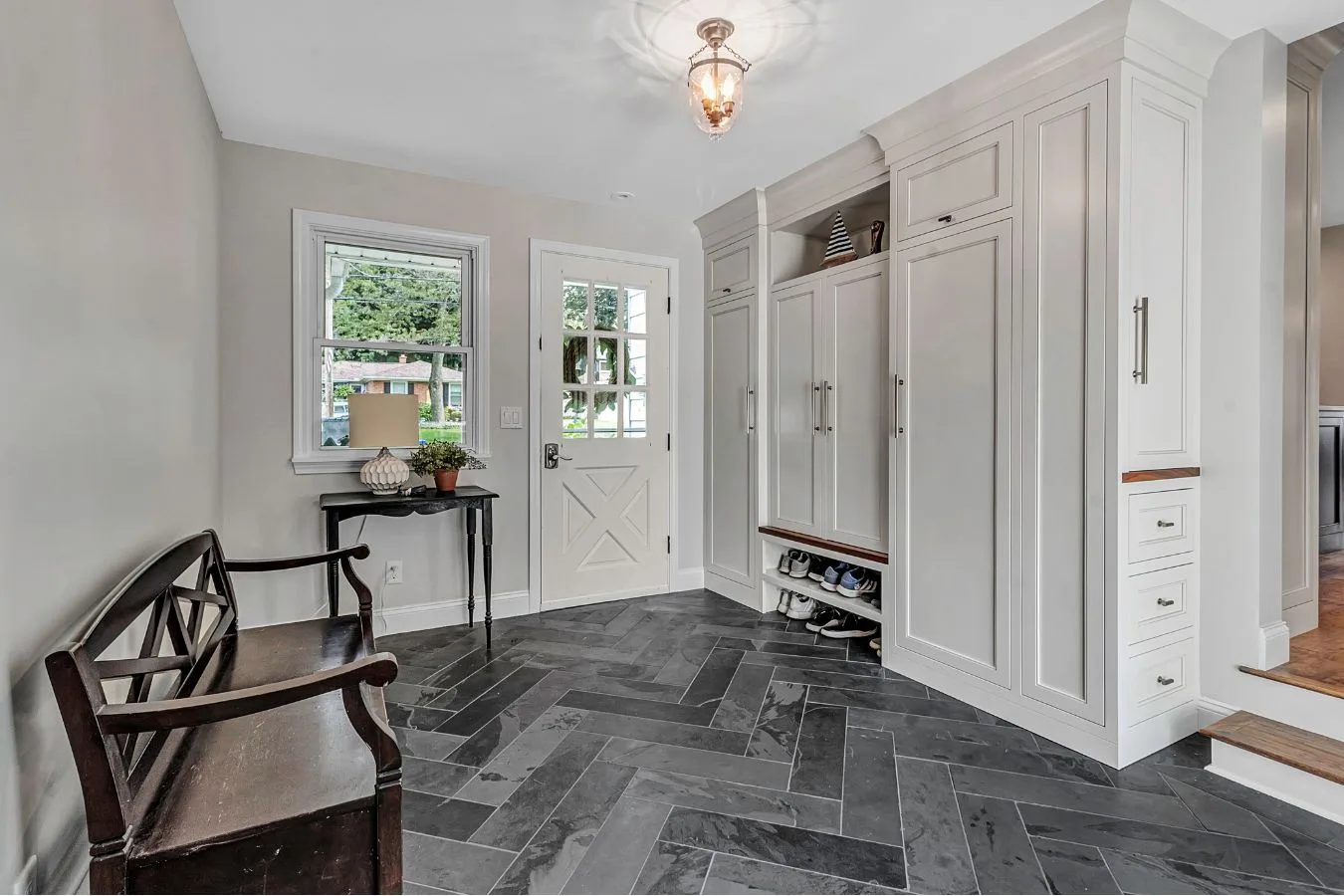
Buffalo families accumulate massive seasonal gear—heavy winter coats, multiple boot pairs, hats, scarves, gloves, snow pants, shovels, and ice scrapers. Then summer brings baseball equipment, soccer gear, bikes, and backpacks. Without dedicated storage, this gear overtakes your home.
A mudroom addition provides organized storage for all seasons with cubbies for each family member, hooks at kid heights, and benches for boot removal. Everything has a designated place.
Home Value Considerations
According to the National Association of Realtors, mudrooms and laundry rooms rank among the top features buyers want, with mudrooms particularly valued in cold-weather climates.
A well-executed mudroom addition Buffalo NY can return 50-70% of your investment at resale while dramatically improving your daily quality of life in the meantime. Unlike some renovations that primarily add resale value, mudrooms provide immediate, tangible benefits every single day—especially during the six-month Buffalo cold season.
The Multi-Generational Factor
Many Buffalo families span multiple generations living in close proximity. Grandparents, parents, and grandchildren frequently visit each other’s homes. Having a proper mudroom prevents the awkward situation where visitors have nowhere to put coats and boots, making your home more welcoming and functional for the frequent family gatherings that characterize Buffalo’s close-knit communities.
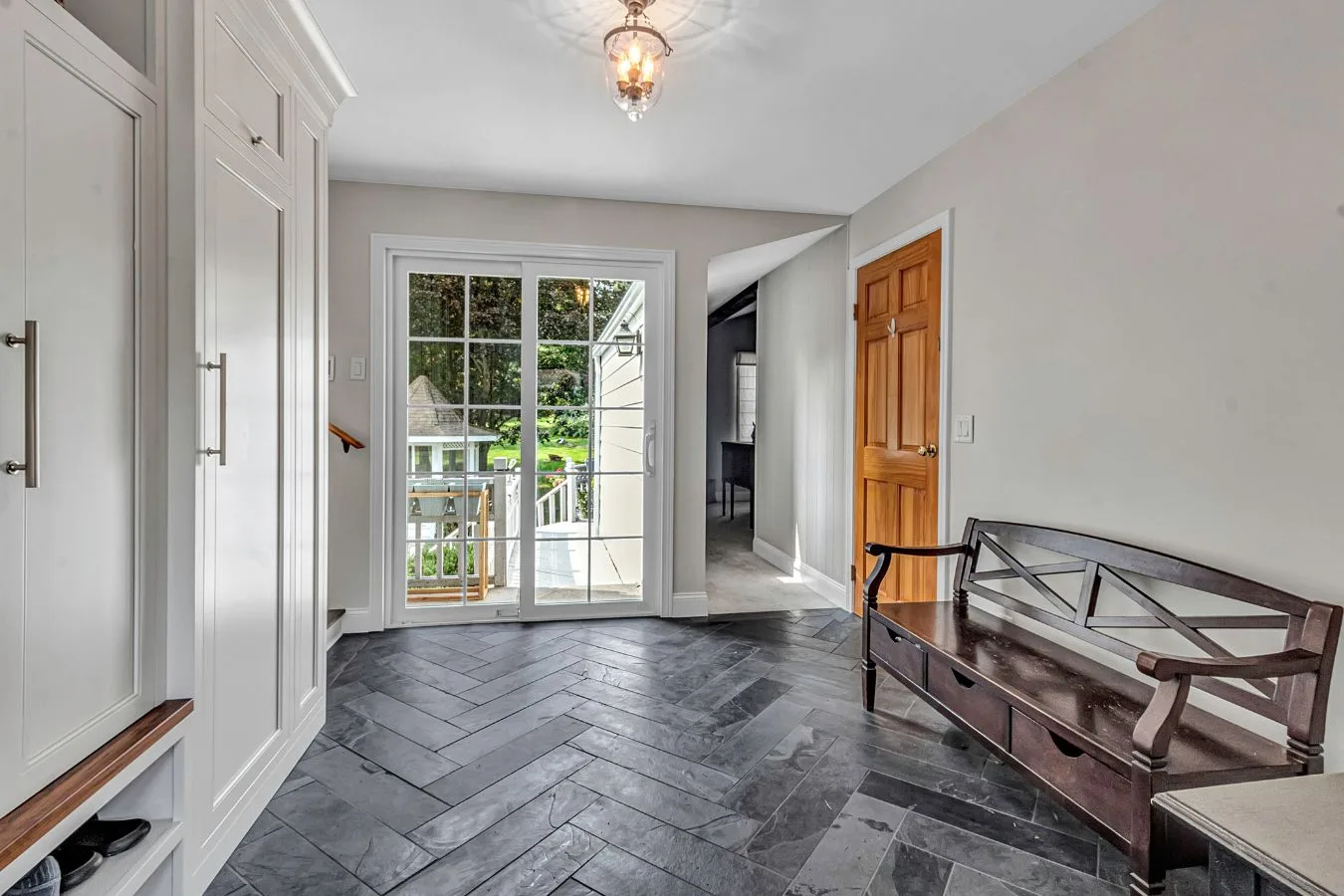
Mudroom Addition Buffalo NY: Different Sizes
- Small Mudroom Addition:
A 40-60 square foot addition includes basic foundation and framing, simple roof structure, one exterior door, insulation and heating, basic tile or vinyl flooring, wall-mounted hooks and shelving, and basic lighting. This works for smaller families with limited space needs.
- Medium Mudroom Addition:
A 60-100 square foot addition provides substantially more functionality with complete foundation work, full roof integration, exterior door plus window, proper insulation for Buffalo winters, quality flooring, built-in cubbies and bench seating, cabinetry for storage, and dedicated lighting throughout. This accommodates most families comfortably.
- Large Mudroom Addition:
A 100-150+ square foot addition creates a true multi-functional space with premium materials, custom built-ins, integrated storage benches, possible powder room or laundry integration, heated flooring options, and additional organizational systems.
What Affects Mudroom Addition Buffalo NY Costs
Material and labor pricing fluctuates significantly, and every mudroom addition is unique based on size, features, and your home’s specific structure. For an accurate estimate for your specific mudroom addition Buffalo NY project, contact TBrothers Renovations for a detailed proposal.
- Foundation type dramatically impacts cost, with simple slab foundations being most affordable and full basement foundations costing more but providing valuable storage space below.
- Roof complexity significantly affects budget. A simple shed roof costs less than complex roofs requiring structural modifications to your existing home.
- Built-in features vary enormously from basic wall hooks and shelves to custom cabinetry with cubbies, drawers, and bench seating.
- Flooring selection impacts both cost and functionality, with options ranging from basic ceramic tile to premium heated tile flooring—wonderful for melting snow off boots in Buffalo winters.
- HVAC considerations matter in our climate. Extending existing forced air, installing electric baseboard heat, or adding radiant floor heating all affect your budget, with radiant heat providing excellent comfort for mudrooms.
Durable, Water-Resistant Flooring
Your mudroom floor will face relentless assault from water, salt, dirt, and grit. It must withstand this abuse while remaining attractive.
- Porcelain tile provides excellent durability and water resistance, comes in countless styles including wood-look options, and handles salt and moisture without damage.
- Luxury vinyl plank offers good water resistance, comfortable underfoot warmth, easier installation at lower cost, and realistic wood or stone appearance.
- Avoid hardwood, laminate, or carpet in mudrooms—these materials cannot withstand the moisture and salt that Buffalo weather brings into this space daily.
Adequate Heating
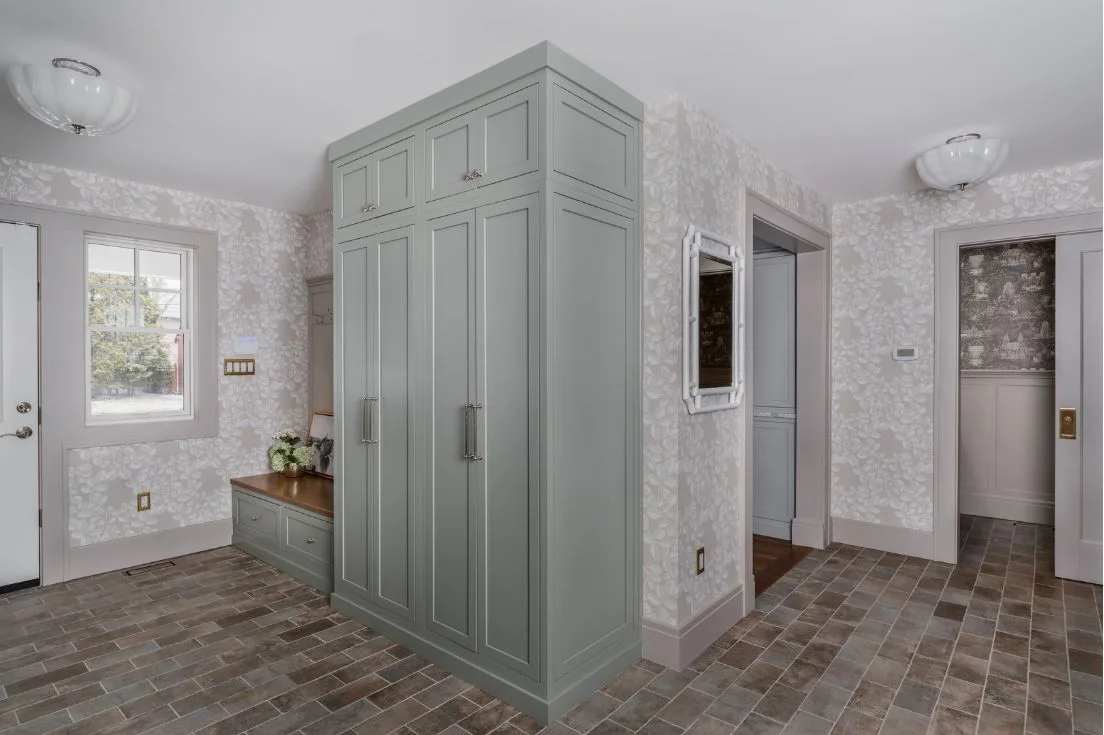
A freezing mudroom defeats the purpose. Gear won’t dry properly, the space becomes unpleasant to use, and pipes can freeze in extreme cold. Buffalo mudroom additions require heating sufficient to maintain 60-65°F minimum in winter.
Radiant floor heating is ideal—it dries wet floors quickly, provides comfortable warmth for bare feet during boot removal, doesn’t blow dust like forced air, and handles temperature drops from frequently opening exterior doors. The cost pays dividends in comfort and functionality.
Strategic Storage
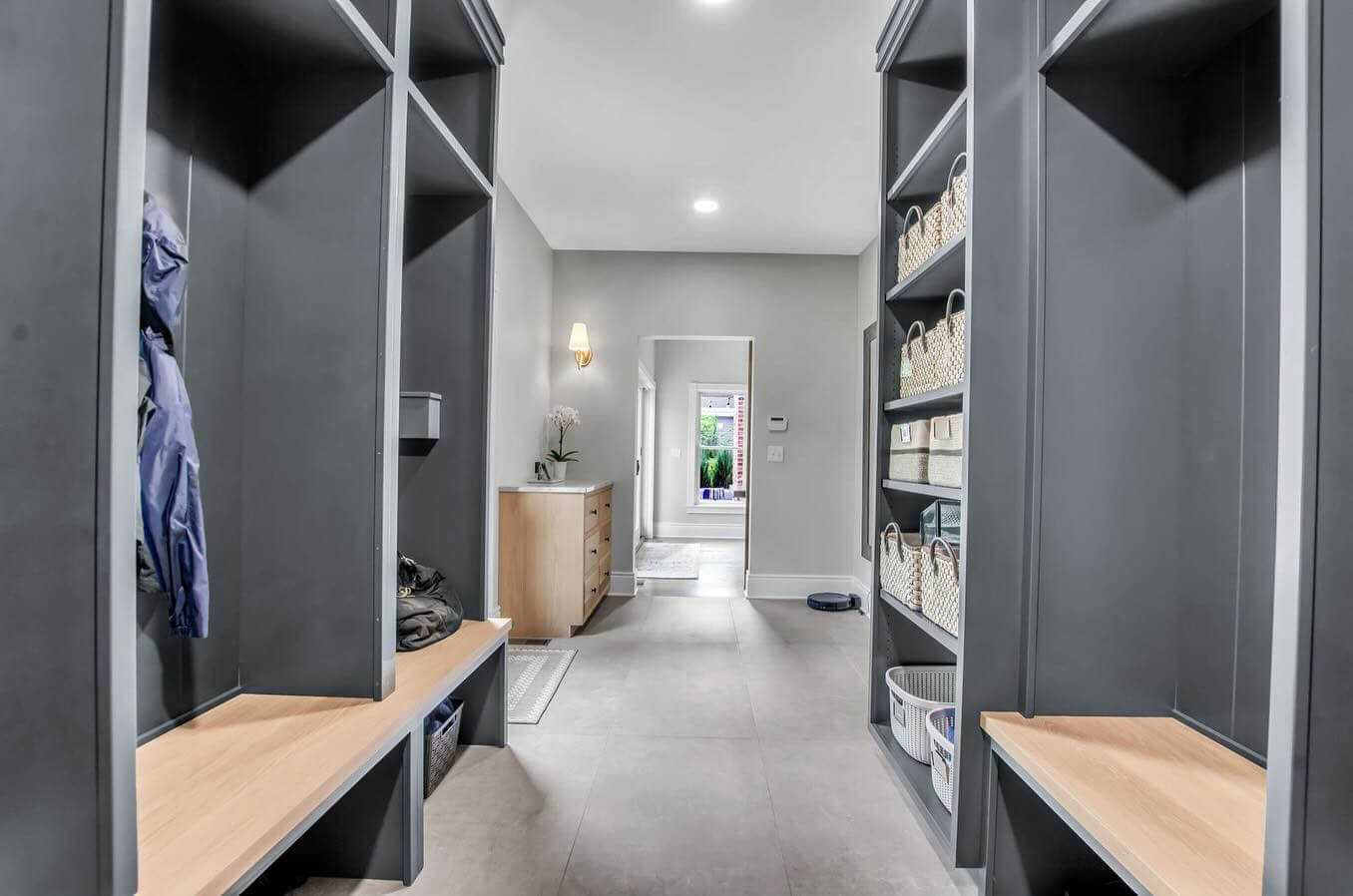
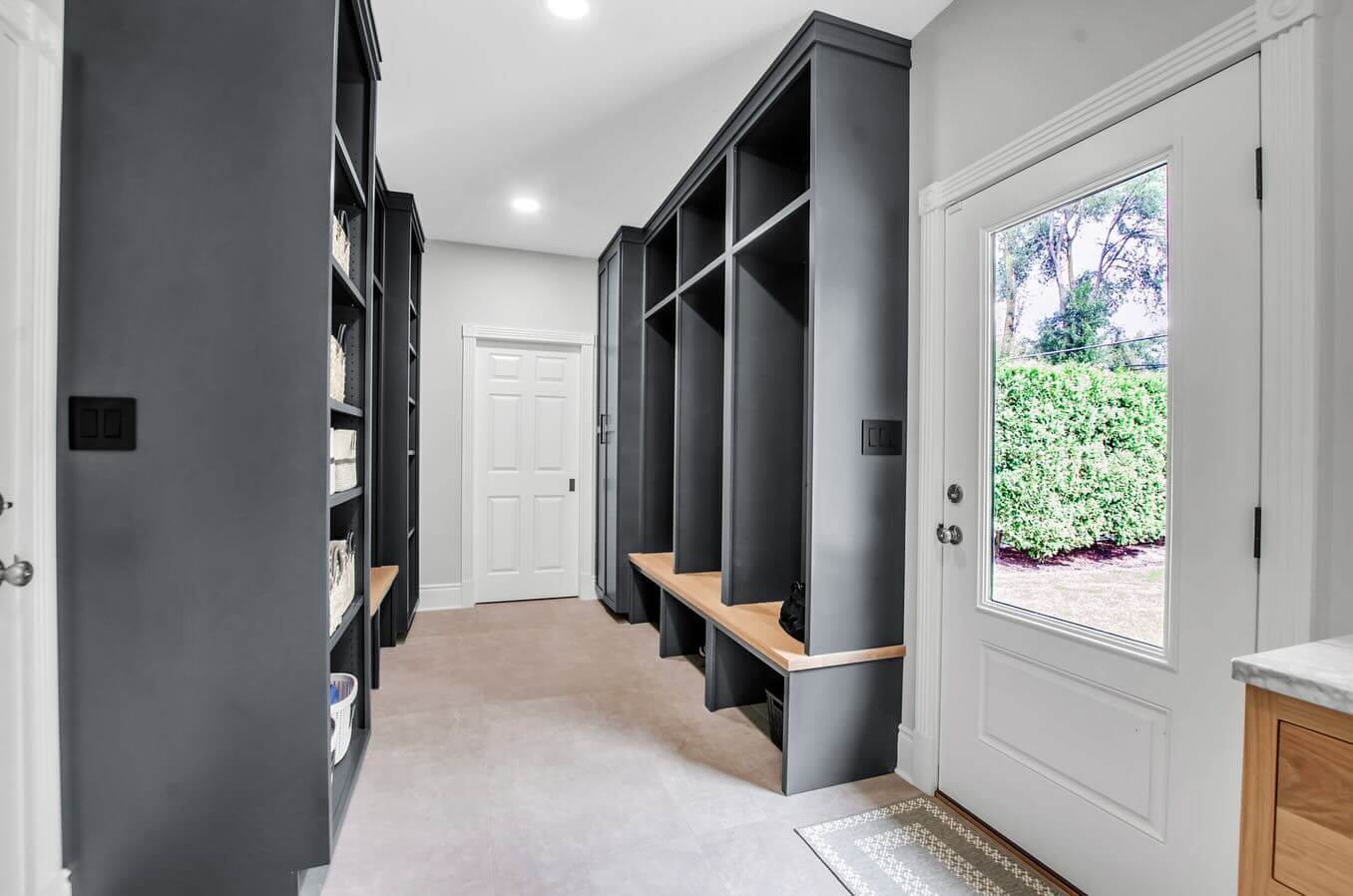
The most functional approach provides individual cubbies for each family member with upper hooks for coats and jackets, middle shelf for hats and accessories, lower space for boots and shoes, and possible drawer for smaller items. This personalized storage prevents confusion and reinforces organization.
- Upper cabinets store seasonal items currently not in use.
- Lower cabinets provide hidden storage for less attractive items like snow shovels and ice melt.
- Open shelving displays attractive baskets containing gloves, dog leashes, or other frequently accessed items.
Proper Ventilation
Wet gear brings tremendous moisture into your mudroom. Without proper ventilation, this moisture causes mold growth, musty odors, and damage to the space itself and adjacent areas.
Your mudroom addition Buffalo NY can include an exhaust fan rated for the space size, a window that opens for cross-ventilation in mild weather, and possibly a dehumidifier outlet if the mudroom will frequently have very wet gear drying (families with young children playing in snow, homes with dogs that need frequent walks).
Bench Seating
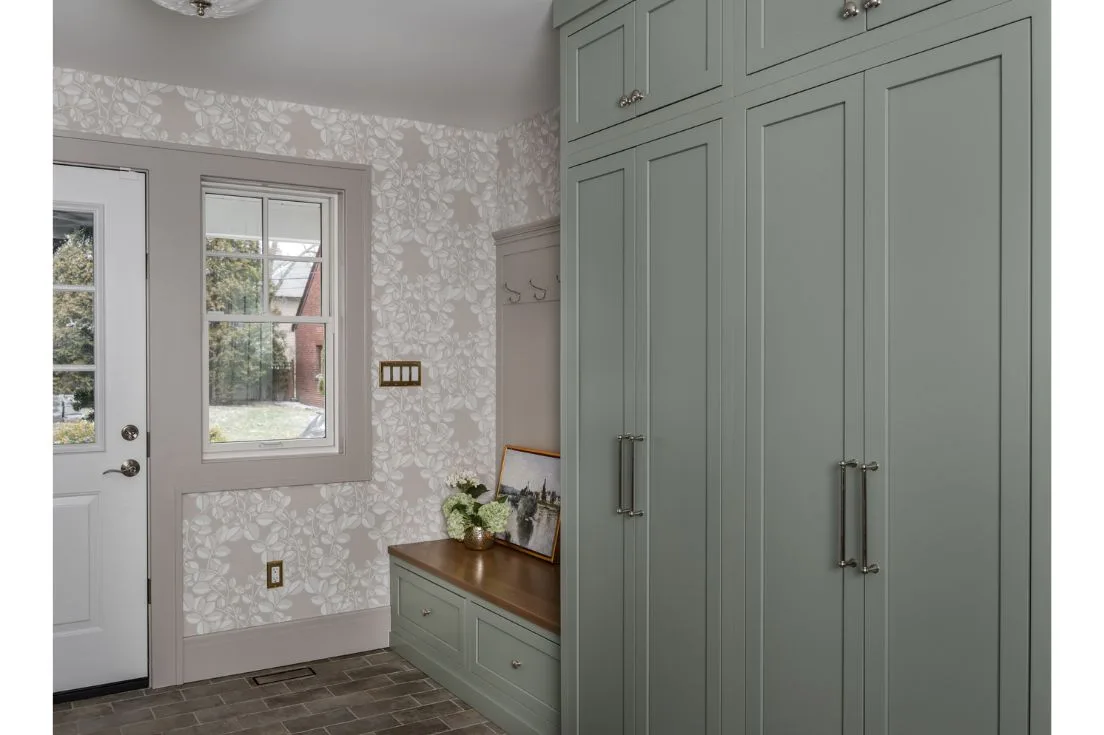
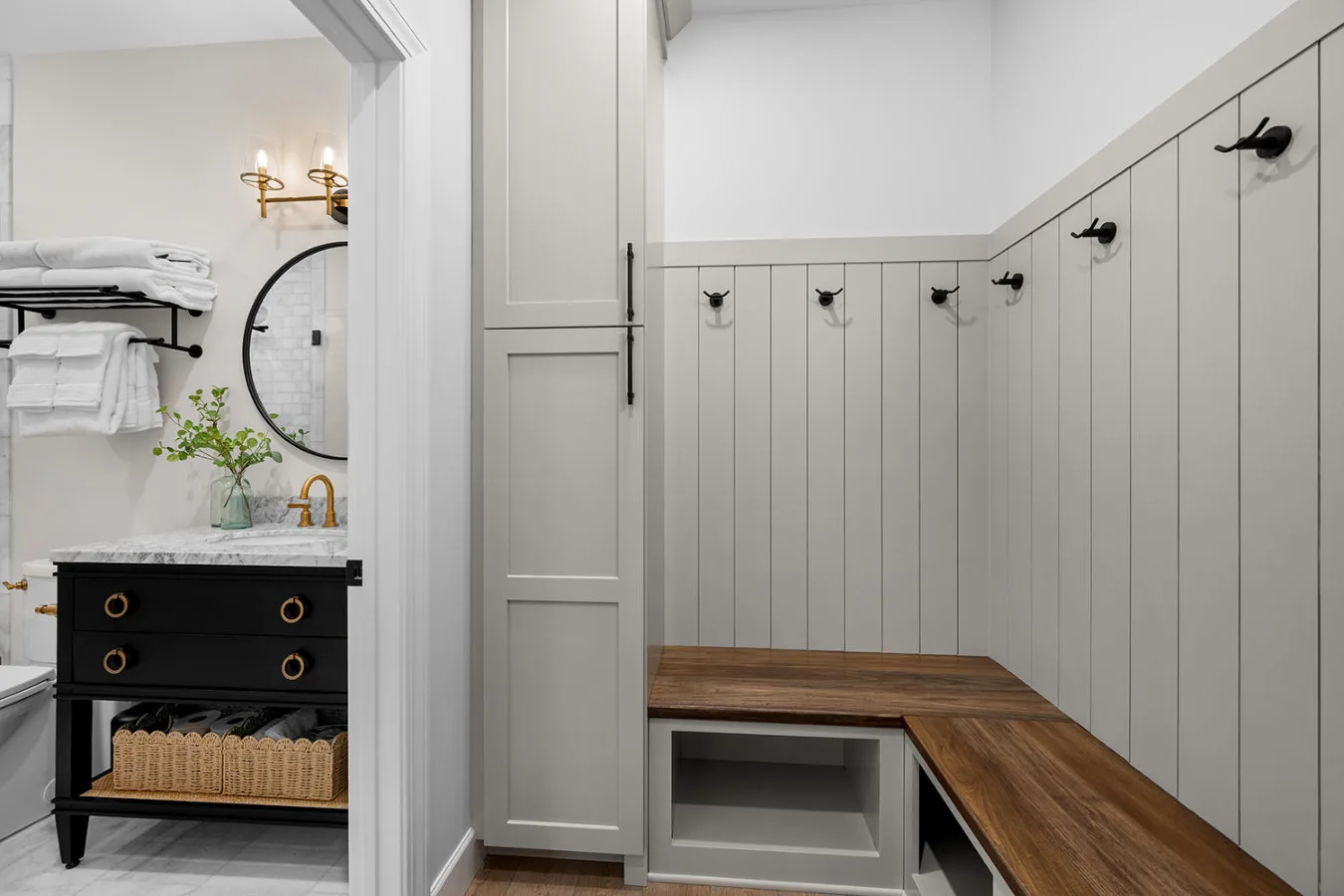
Built-in benches serve multiple critical functions. They provide comfortable seating for boot removal—increasingly important as family members age. The space underneath offers hidden storage for boots, shoes, or bins of seasonal accessories. The bench top provides a landing zone for bags, packages, or grocery bags during unloading.
Length depends on your family size—plan 24 inches of bench per person who might sit simultaneously.
Good Lighting
Buffalo winters mean arriving and leaving home in darkness for months. Your mudroom needs excellent lighting for safety and functionality.
- Overhead recessed lighting provides general illumination.
- Task lighting above benches helps with boot removal.
- Consider motion-activated lights for hands-free operation when entering with arms full of groceries or gear.
- Windows provide valuable natural light during the day, making the space feel less cave-like.
Hooks at Multiple Heights
Adults, children, and shorter family members all need accessible coat storage. Install adult hooks at 60-65 inches from the floor. Install children’s hooks at 40-45 inches so kids can actually reach them and learn to hang their own coats. Consider a few lower hooks specifically for backpacks and bags at 30-36 inches.
Use heavy-duty hooks rated for substantial weight—wet winter coats are surprisingly heavy, and Buffalo families often double up coats on hooks during busy winter months.
Design Options for Buffalo Mudroom Addition
Your mudroom addition’s design should complement your home’s architecture while maximizing functionality.
- Rear Entry Mudroom:
The most common mudroom addition Buffalo NY extends from the back of the home near the kitchen or garage connection. Families typically enter through rear doors from driveways, keeping the front entrance clear for guests. - Side Entry Mudroom:
A side entry mudroom addition connects the driveway directly to living space and maximizes yard space by building along the property line. This works particularly well for narrow lots where rear additions would extend too far into limited backyard space.
- Garage Connection Mudroom:
Converting garage space or building between garage and house creates an ideal mudroom that captures mess before it enters the home. This may cost less by utilizing existing garage walls and works especially well for families who primarily enter through the garage.
- Bump-Out Mudroom:
For limited space or budget, a small bump-out extending from an existing entrance creates basic mudroom functionality. While more limited in size, it still provides hooks, bench seating, and floor space for boot removal—dramatically better than no dedicated mudroom.
The Mudroom Addition Construction Process
- Planning and Permits:
Your contractor assesses your property, designs the mudroom layout, prepares permit drawings, and submits applications. Use permit approval time for final material selections. - Site Preparation and Foundation:
The crew marks the footprint, excavates, pours concrete foundation (weather dependent—can’t pour in freezing temperatures), and allows proper curing. Buffalo weather can delay foundation work in late fall or winter. - Framing and Structural Work:
Framers construct floor structure, build walls, tie into existing home, frame and integrate roof, install doors and windows, and rough-in electrical and plumbing. - Exterior Completion:
Installation of roofing matched to existing, house wrap and insulation, siding matched to your home, trim work, and weathertight seal against Buffalo weather. - Insulation and Interior Work:
Insulation to code (critical for Buffalo), drywall installation, HVAC extension, electrical completion, flooring, built-ins and cabinetry, and painting. - Final Inspection:
Building inspection for code compliance, final touch-ups, and walkthrough to ensure satisfaction. - Timeline:
Buffalo winters can extend timelines. Most contractors prefer spring through fall completion.
Choosing the Right Contractor for Your Mudroom Addition Buffalo NY
Mudroom additions require foundation work, structural integration, and roofing expertise—not a project for handymen or contractors without addition experience.
- Verify Home Addition Experience:
Home additions require understanding of foundations, structural engineering, roof integration, and complex permitting. Ask to see specific examples of additions they’ve completed and request references from recent addition projects.
- Confirm Proper Licensing and Insurance:
Verify licensed plumbers and electricians, proper business registration, general liability insurance, and workers’ compensation coverage. Request and verify all documentation before signing contracts.
- Check Local Experience:
Contractors should understand Buffalo building codes, local permit processes, winter construction considerations, and proper insulation for our climate. Ask how many mudroom additions they’ve completed and request local references.
- Evaluate Quality Standards:
At TBrothers Renovations, we use metal leveling systems (not wooden shims that decay), install metal protective plates to protect pipes and wiring, verify installations are level and square, and use quality materials—plywood, hardwood, MDF, or HDF for cabinetry, never particle board. These quality processes matter for additions that must withstand decades of Buffalo’s harsh weather.
- Review Communication:
How contractors communicate during quoting predicts construction communication. We believe informed clients make better decisions. At TBrothers Renovations, we make you feel heard throughout the process and answer every question completely.
Maximizing Your Mudroom Investment
Beyond basic functionality, consider features that enhance your mudroom’s value and usefulness.
- Pet Washing Station:
If you have dogs, a utility sink or small dog washing station in your mudroom contains the mess of muddy paws or full baths. This prevents tracking through your home to reach a bathtub and makes dog care significantly easier. Adding a utility sink during construction costs $500-$1,200—far less than adding one later.
- Package Receiving Area:
With online shopping, having a designated package area keeps deliveries organized. A section of bench or cabinet specifically for packages prevents them from scattering through your home.
- Charging Station:
Built-in charging stations for phones, tablets, and devices create a family charging hub. Kids drop backpacks and plug in devices. Adults charge phones overnight. Everything charges in one organized location rather than scattered across the house.
- Laundry Integration:
If your mudroom addition is large enough and properly plumbed, considering laundry integration creates tremendous efficiency. You can wash muddy or wet clothing immediately without tracking through the house. This is particularly valuable for families with young children or active sports participants.
- Seasonal Flexibility:
Design storage to adapt by season. Upper cabinets hold winter gear in summer and summer gear in winter. Hooks accommodate heavy parkas in January and light jackets in July. Flexible storage maximizes year-round functionality.
Mudroom Addition Buffalo NY: Return on Investment
Beyond daily quality of life improvements, mudroom additions impact your home’s market value.
According to Remodeling Magazine’s Cost vs. Value Report, home additions in the Buffalo area typically recoup 50-60% of their cost at resale. However, mudrooms often perform better—particularly in Buffalo’s climate where buyers deeply appreciate dedicated gear storage and weather protection.
A well-executed mudroom addition Buffalo NY provides immediate daily benefits, reduces wear on main living areas, increases appeal to families, and differentiates your home from properties without mudrooms.
The intangible benefits—reduced stress, better organization, protected flooring, contained mess—provide value every single day, making mudroom additions one of the most satisfying home improvements Buffalo families report.
Ready to Plan Your Mudroom Addition Buffalo NY?
A mudroom addition Buffalo NY will enhance your home’s organization, functionality, and value. Whether you need a modest 50-square-foot bump-out or a spacious 120-square-foot addition with premium features, the investment pays dividends in daily quality of life and home value.
Contact TBrothers Renovations today for mudroom addition design and construction by experienced professionals who understand Buffalo’s climate, housing stock, and building requirements.
We proudly serve Buffalo, Clarence, Williamsville, Lancaster, Tonawanda, Cheektowaga, West Seneca, Lockport, and all of Western New York with quality home additions built to last through decades of Buffalo winters.
TBrothers Renovations has served Western New York since 2015. Our commitment to quality construction, proper weatherproofing, and attention to detail ensures additions that enhance your home’s functionality and value for decades.