
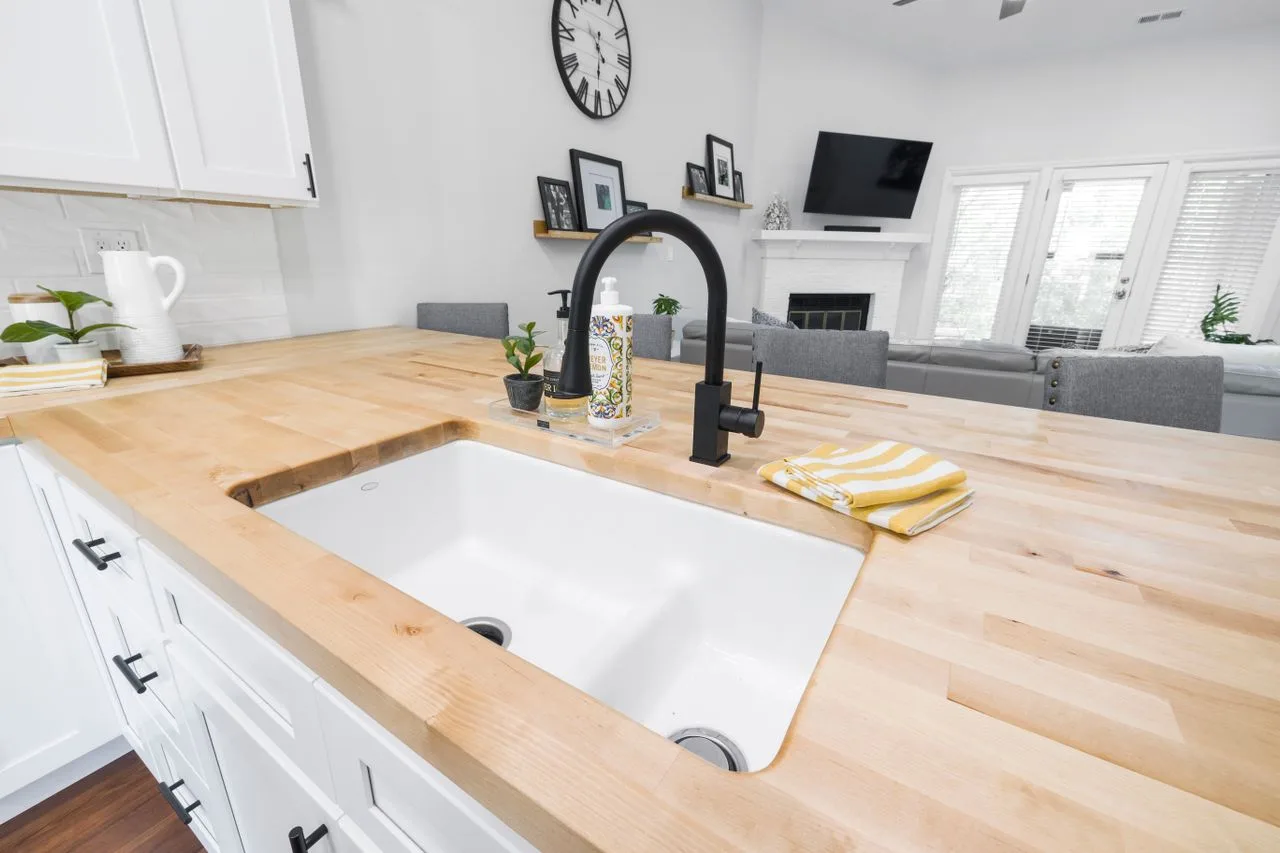
Butcher Block Countertops Pros and Cons: A Complete Guide
Butcher block countertops have made quite a comeback in recent years. If you’re considering them for your kitchen renovation, you’ve probably noticed how gorgeous they look in design magazines and on social media. But before you fall in love with the aesthetic, it’s worth understanding the complete picture—butcher block countertops pros and cons.
The key to making the right decision is understanding what you’re actually getting into. Butcher block countertops pros and cons aren’t equally weighted for everyone—they depend heavily on your lifestyle, cooking habits, and how much upkeep you’re willing to do.
Let’s walk through butcher block countertops pros and cons so you can decide if this material is right for your kitchen.
What Is Butcher Block, Anyway?
Before diving into butcher block countertops pros and cons, it helps to understand what you’re actually choosing.
Butcher block is made from strips of wood that are glued together and pressed into solid slabs. Originally used in actual butcher shops for cutting meat, it’s become a popular countertop choice because of its warm, natural aesthetic and solid feel.
The wood types vary significantly. Each wood type has different hardness levels, grain patterns, and color characteristics.
The thickness typically ranges from 1.5 to 2.25 inches, and the finish is usually food-grade mineral oil or a polyurethane coating, depending on what level of protection you choose.
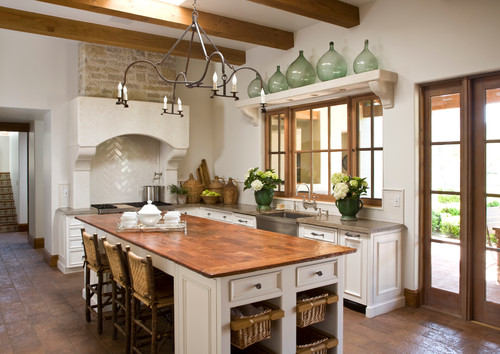
The Genuine Advantages: Why People Love Butcher Block
Understanding butcher block countertops pros and cons means starting with what’s genuinely great about them.
- The aesthetic appeal is real. Butcher block has warmth and character that engineered materials simply can’t replicate. Every slab is unique with its own grain patterns and color variations. For people who want their kitchen to feel inviting and natural, butcher block delivers that in a way quartz or laminate cannot.
- The feel is substantial. Running your hand across a butcher block countertop feels different—more solid, more real. For many homeowners, this tactile quality matters. Your kitchen feels less like a showroom and more like a home.
- It’s surprisingly affordable compared to alternatives. When evaluating butcher block countertops pros and cons, cost is often overlooked as an advantage. Butcher block typically costs $30-$60 per linear foot installed, which is less than granite, quartz, or solid surface materials. You get a material that looks high-end without the high-end price tag.
- It’s repairable in ways other materials aren’t. Unlike granite or quartz, if you get a scratch, dent, or stain in butcher block, you can sand it down and refinish it. This repairability is genuinely valuable—your countertop doesn’t need replacement because of cosmetic damage.
- It’s a renewable resource (if you choose wisely). Bamboo butcher block is particularly sustainable because bamboo grows incredibly fast. Even wood options are renewable if harvested responsibly. For environmentally conscious homeowners, this matters.
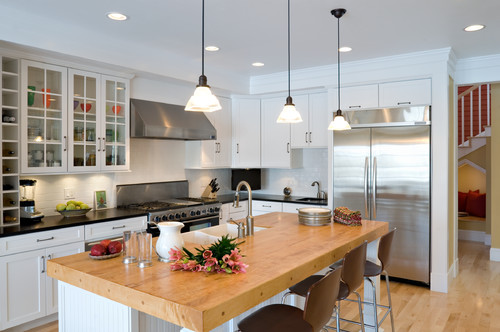
The Real Challenges: Why Butcher Block Isn’t for Everyone
Now let’s talk honestly about butcher block countertops cons that might be dealbreakers.
- Maintenance is genuinely significant. Butcher block is wood, and wood needs care. You need to oil it regularly—typically every few weeks to a couple months, depending on your finish and how much you use your kitchen. This isn’t a quick wipe-down. It’s an actual maintenance task. If you skip the oiling, the wood dries out, can crack, and looks dull. The surface can also darken unevenly, creating blotchy appearance.
- Water is the enemy. Over time, wood exposed to constant moisture warps, swells, and deteriorates. Wet cutting boards left on the counter, standing water from cleaning, humidity—these all pose problems for butcher block. This means you need to dry spills promptly, you can’t leave wet items sitting on the surface, and you need to be deliberate about protecting the wood from moisture. For busy households or people who aren’t detail-oriented, this is challenging.
- Staining is inevitable. Wine, coffee, beets, turmeric—anything that stains will eventually mark butcher block. Some stains lighten with sanding and refinishing. Some are permanent. Butcher block countertops pros and cons definitely include the reality that your beautiful new countertop will develop character marks over time.
- Scratches and dents happen. Wood is softer than granite or quartz. Knife marks are inevitable. Hot pans can scorch the surface. Dropped items dent it. Some people view this as “patina”—the countertop developing character. Others find it frustrating.
- Food safety concerns exist. While food-grade mineral oil is considered safe, some people worry about wood harboring bacteria in cut marks. Modern research suggests properly sealed and maintained wood countertops are safe, but this remains a concern for some households, particularly those with immunocompromised family members.
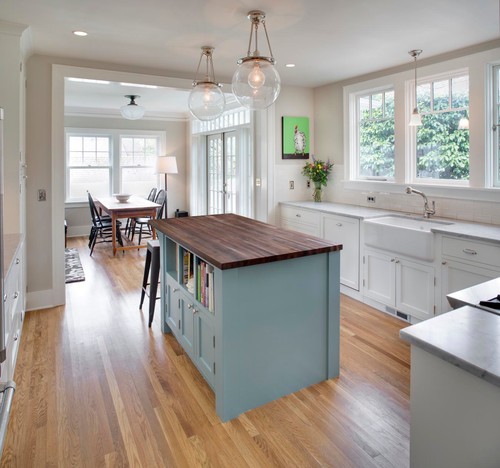
Butcher Block Countertops Pros and Cons: Durability Reality
With proper care—regular oiling, prompt water management, and appropriate sealing—butcher block can last 15-20 years or longer. Some countertops last decades. The wood itself is durable; the challenge is protecting it from moisture and damage.
Without proper care, butcher block can deteriorate in 5-10 years. Water damage, lack of oiling, and moisture exposure cause warping, cracking, and eventual failure.
This is very different from granite or quartz, which last 25-30+ years with minimal maintenance.
The good news is that unlike countertops you need to replace entirely, butcher block can be refinished. If it becomes worn or damaged, you can sand it smooth and apply new finish. This extends life significantly compared to materials that require replacement.
Maintenance: What Does “Regular Care” Actually Mean?
Understanding butcher block countertops pros and cons requires being specific about maintenance requirements.
Oiling frequency varies by finish type and usage. If your butcher block is finished with mineral oil only (food-safe but minimal protection), you’ll need to oil it every 2-4 weeks. If it’s sealed with polyurethane, you can extend that to every 3-6 months. Some people oil monthly as routine maintenance.
Oiling isn’t complicated—you apply a thin coat and wipe away excess—but it requires consistency. You can’t oil sporadically and expect good results.
Water management means wiping spills immediately, not leaving damp dishcloths on the counter, allowing dishes to air dry elsewhere, and being mindful of potted plants or things that might leak. You’re thinking about water exposure constantly.
Cleaning should use appropriate products. Harsh cleaners can damage the finish. Mild soap and water work fine for daily cleaning. Specialized butcher block cleaners exist if you want them.
Avoiding damage means using cutting boards (not cutting directly on the surface), using trivets under hot pans (not directly from stovetop), and being mindful of acidic substances like vinegar or lemon juice that can etch or stain.
Cost Comparison: Butcher Block vs. Alternatives
Understanding the complete cost picture helps with decision-making.
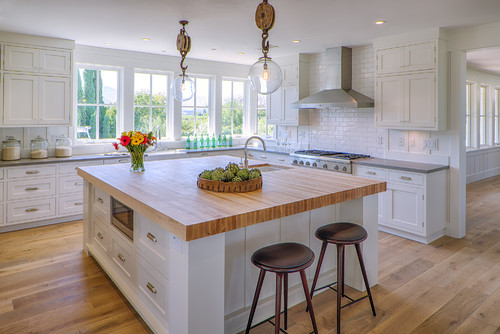
Material and installation costs for butcher block typically run $30-$60 per linear foot installed, depending on wood type and thickness. A typical 25-linear-foot kitchen runs $750-$1,500 in material plus installation labor.
Quartz typically costs $50-$100+ per linear foot installed—often more than butcher block. Granite runs similar or higher. Laminate is cheaper at $20-$30 per linear foot, but doesn’t have the same aesthetic appeal.
Long-term costs are where comparison gets complex. Butcher block requires regular maintenance—oiling, occasional refinishing, potential repairs. Over 20 years, you might invest $500-$2,000 in refinishing and maintenance.
Granite or quartz require virtually no maintenance beyond cleaning, though they cost more initially.
A note on pricing: Costs vary based on wood type, thickness, and your specific kitchen. For accurate pricing for your project, we’re happy to provide a detailed estimate.
Wood Type Matters: Different Butcher Block Options
The wood type you choose affects maintenance requirements, durability, appearance, and cost. Understanding these differences helps when evaluating butcher block countertops pros and cons for your specific situation.
- Maple is the classic choice—hard, durable, light colored. It takes stain well and is relatively forgiving. Maple is traditional and beautiful.
- Walnut is darker, richer looking, and slightly less durable than maple. It’s gorgeous but shows water marks more visibly and costs more.
- Bamboo is harder than many hardwoods, faster-growing (more sustainable), and typically more affordable. It’s increasingly popular and performs well.
- Oak is softer, more affordable, but requires more careful maintenance. It’s lovely if you’re willing to accept more visible wear patterns.
- Teak and other exotic woods are incredibly durable and naturally resistant to moisture, but cost significantly more.
Sealed vs. Unsealed: A Critical Decision
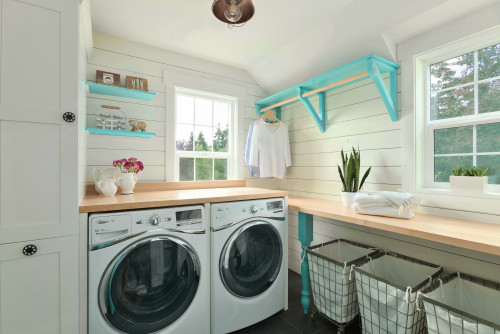
Finish type matters tremendously for your butcher block counters. Sealed finishes reduce maintenance but sacrifice some of the “natural wood” aesthetic. Unsealed finishes offer authentic wood character but require vigilant maintenance.
- Food-grade mineral oil is the traditional finish. It’s all-natural, safe for food contact, and requires regular reapplication. It offers minimal protection against water or stains—the wood is largely exposed.
- Polyurethane or other sealers provide more protection, reduce oiling frequency, and offer better water resistance. However, they’re less “natural,” require occasional recoating, and can eventually wear through in high-traffic areas.
- Hybrid finishes combine oil and sealant for balance between protection and natural appearance.
Who Should Choose Butcher Block?
Butcher block works well if:
- You genuinely enjoy maintaining your home
- You cook frequently and want an attractive, functional surface
- You appreciate natural materials and warmth in your kitchen
- You’re willing to oil regularly and manage water exposure
- You view aging and patina as character rather than damage
- You want an affordable alternative to high-end stone
- You’re comfortable repairing or refinishing in future years
- Environmental sustainability matters to you
Butcher block might frustrate you if:
- You prefer low-maintenance surfaces
- You’re careless about water and spills
- You value pristine appearance over natural character
- You hate maintenance tasks
- You’re on a tight timeline—sealed finishes still need occasional maintenance
- You have very young children or pets
- You need maximum durability without upkeep
Butcher Block Countertops Pros and Cons: Installation Matters
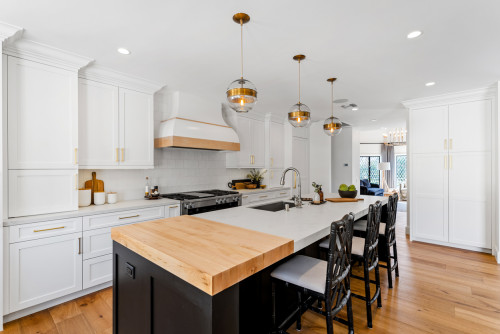
Professional installation affects how well butcher block performs long-term.
Proper installation includes adequate support underneath (critical for solid wood that can move), appropriate sealing or oiling from day one, appropriate edge finishing, and clear instructions on care and maintenance.
Poor installation—inadequate support, improper sealing, or lack of guidance—sets you up for problems. The wood needs proper conditions to perform well.
We always provide clear maintenance instructions and ensure proper finishing during installation. Getting this right from the start prevents problems down the road.
Conclusion: Making the Right Choice
Butcher block countertops pros and cons aren’t universal—they depend entirely on your situation. For someone who loves natural materials, appreciates patina and character, and is willing to invest in maintenance, butcher block is wonderful. For someone who wants zero-maintenance surfaces and pristine appearance, it’s frustrating.
The key is honest self-assessment. Are you genuinely going to oil those countertops regularly? Can you accept visible wear and marks over time? Are you willing to manage water exposure carefully? If the answer to these questions is yes, butcher block can be a beautiful, warm, inviting choice.
If you’re nodding reluctantly, stone or engineered surfaces might actually be better for your peace of mind.
Ready to Explore Your Options?
Contact TBrothers Renovations if you want to discuss whether butcher block makes sense for your kitchen or explore alternatives.
During your consultation, we’ll:
- Look at your kitchen layout and how you actually cook
- Honestly discuss butcher block countertops pros and cons for your lifestyle
- Review different finish options
- Compare costs with alternative materials
- Provide samples so you can see and feel options in person
- Explain our installation and finishing process
- Give you clear guidance on maintenance expectations
We believe in helping you choose materials that match your lifestyle, not materials that look good on Instagram but frustrate you daily.
Choose contractors who help you make informed decisions—choose TBrothers Renovations.
TBrothers Renovations has installed butcher block and other countertop materials in kitchen remodels across Western New York. We help homeowners understand butcher block countertops pros and cons in the context of their lives, providing honest guidance and professional installation that sets your countertops up for long-term success.